


We’ve all heard it: “Let kids play freely. Don’t structure everything. Let them explore.”
And honestly? There’s wisdom in that. The pendulum needed to swing away from rigid, soul-crushing schedules that turned childhood into a series of checkbox activities.
But here’s what nobody talks about: the pendulum can swing too far.
The Problem with Extreme Free Play
Picture this: You give a 7-year-old complete freedom in a massive playground with endless equipment, art supplies, building blocks, science kits, and books. No guidance. No suggestions. Total autonomy.
What actually happens?
Most kids gravitate to the same 2-3 activities they already know and love. The art supplies sit untouched. The science kit remains in its box. They’ve found their comfort zone, and without gentle guidance, they stay there.
This isn’t a failure of the child. This is how human brains work.
We all - adults and children alike - default to the familiar. We stick with what feels safe. And ironically, in the name of “freedom,” we limit exposure to the very experiences that spark new passions.
The Other Extreme: Directed Learning
On the opposite end, we have completely directed learning. Every minute scheduled. Every activity chosen by adults. Every outcome predetermined.
We already know this doesn’t work either. It kills intrinsic motivation. It teaches kids to wait for instructions rather than think independently. It makes learning feel like compliance instead of discovery.
Children become excellent at following directions but terrible at generating their own questions.
The Middle Path: Structured Exploration
Here’s what works: Give direction, then give freedom within that direction.
Think of it like this:
Not: “Go play however you want.” (Too broad, defaults to familiar)
Not: “Build this exact tower following these exact steps.” (Too narrow, kills creativity)
But: “Today, let’s explore building things that can hold weight. What can you create?” (Direction + freedom)
This is structured exploration. You’re not dictating the outcome, but you’re focusing the inquiry.
Why This Works Better
1. Novelty with Safety
When you say “let’s try something with magnets today,” you’re introducing new territory while still providing the psychological safety of guidance. Kids feel supported, not abandoned.
2. Faster Skill Acquisition
A child left completely alone might eventually discover that magnets repel and attract. But with light direction - “What happens when you flip one around?”—they learn in minutes what might take weeks of random exploration.
Learning faster isn’t about rushing childhood. It’s about respecting their time and letting them get to the interesting questions sooner.
3. Deeper Engagement
Paradoxically, constraints increase engagement. When you narrow the field, children can go deeper. “Play with anything” is overwhelming. “Let’s see how water moves through different materials” is an invitation to mastery.
What This Looks Like in Practice
Instead of: “Go outside and play.”
Try: “I wonder if we can find five different types of leaves. What makes them different?”
Instead of: “Here are art supplies, make whatever you want.”
Try: “Let’s experiment with mixing just two colors today and see how many shades we can create.”
Instead of: “Build whatever you want with blocks.”
Try: “Can you build something that has a doorway big enough for your toy car?”
Notice: You’re giving a compass direction, not a map. You’re focusing on curiosity, not controlling outcomes.
The Home Advantage
Here’s the beautiful part: this middle path is exactly where parents have the advantage over any curriculum or school board.
You know your child. You notice what captures their attention. You can pivot in real time when something sparks interest.
A classroom teacher with 50 kids can’t say, “Oh, you’re fascinated by that spider? Let’s spend the next hour learning about arachnids.” But you can.
Schools need structure for the masses. You can provide structure for your specific child’s curiosity.
The Real Goal
We’re not trying to maximize productivity or create child prodigies. We’re trying to raise humans who:
Feel confident exploring new things
Know how to channel their curiosity productively
Experience the joy of going deep into a topic
Don’t need constant entertainment or direction from others
That doesn’t come from total freedom or total control.
It comes from the middle path: guided curiosity, structured exploration, and directed discovery.
So Where Do You Start?
This week, try this:
Pick one area where you’ve been defaulting to complete free play. Add just a tiny bit of structure—one constraint, one question, one direction.
See what happens.
Our guess? You’ll see more engagement, not less. More questions, not fewer. More depth, not less creativity.
Because sometimes, the path to true exploration is knowing which direction to walk first.
Activity This Week
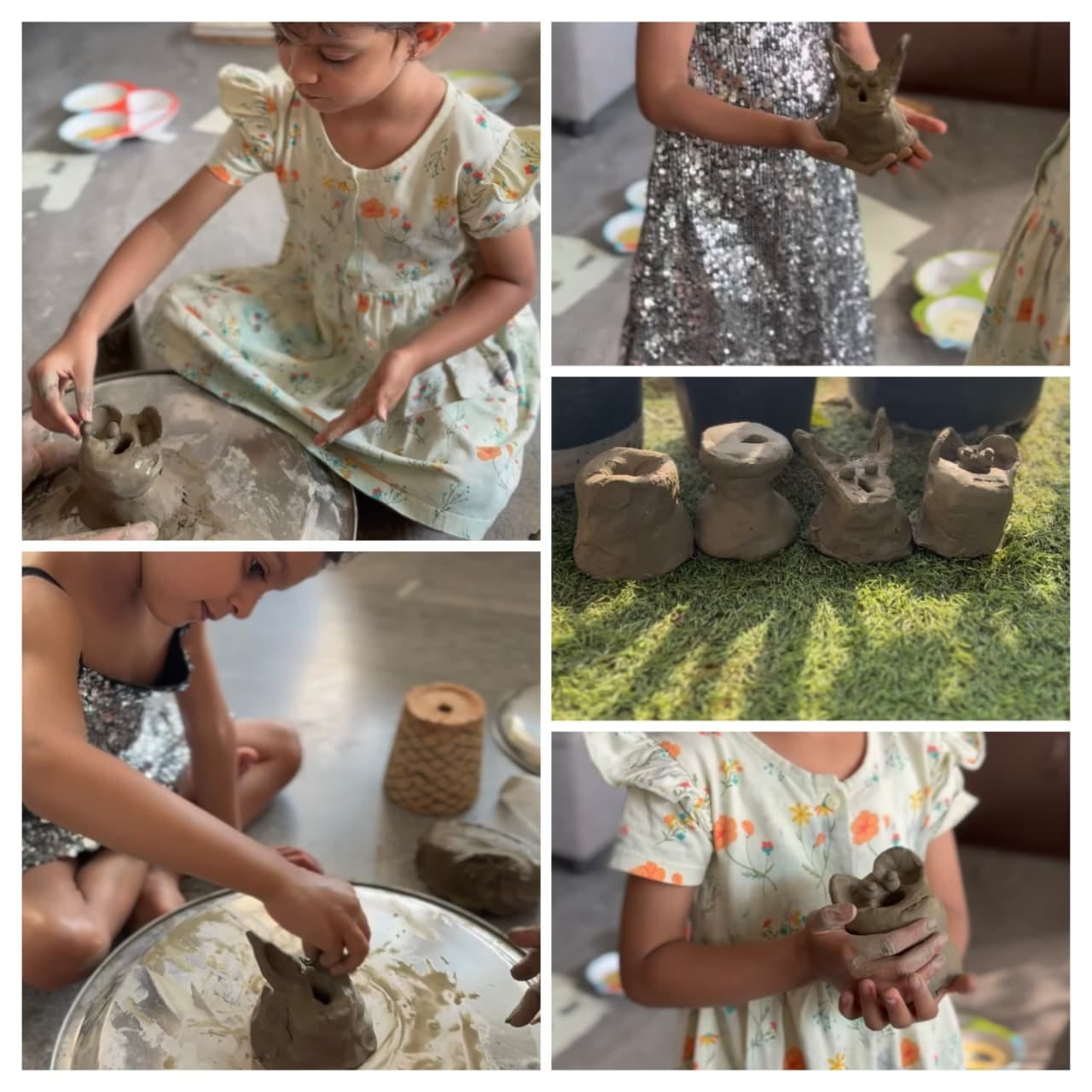
What’s your experience been? Do your kids thrive with total freedom, or do they engage more with some gentle direction? We’d love to hear your stories in the comments.
💬 Let’s Redefine “Smart Parenting”
At Life of Pi Square, we believe that parenting is logical, and the smartest parents aren’t the ones using the latest apps.
They’re the ones who know when to pause and listen.
If this message resonates with you, 📬 Subscribe for more reflections on mindful, connected parenting in the digital age.
Follow our journey on Instagram @lifeofpisquare and explore our approach to raising confident, independent kids at lifeofpisquare.com